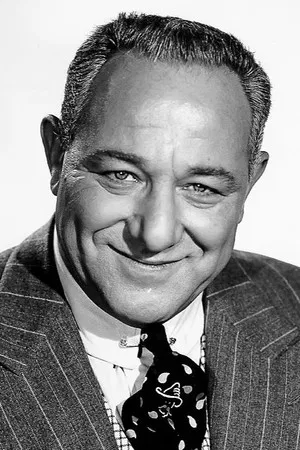
Alan Reed (August 20, 1907 – June 14, 1977) was a powerhouse of American entertainment, a man whose booming voice and versatile acting range made him a legend in radio, film, and animation. Born Herbert Theodore Bergman in New York City, he was a student of journalism and drama before finding his footing in the bustling world of 1930s radio. Possessing a gift for dialects and a commanding physical presence—he stood over six feet tall and weighed over 200 pounds—he became a ubiquitous “actor of a thousand voices,” appearing on nearly every major program of the era, from The Fred Allen Show to The Shadow.
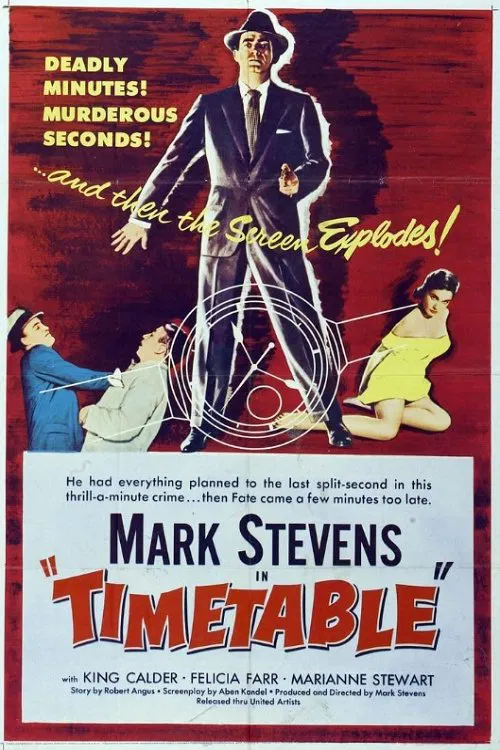
While he is often remembered today for his vocal work, Reed was a formidable character actor on the big screen throughout the 1940s and 50s. He demonstrated his dramatic weight playing historical figures and colorful supporting characters in prestige productions. He notably portrayed Pancho Villa in the 1952 Marlon Brando classic Viva Zapata! and appeared in the gritty aviation drama The Tarnished Angels (1957). In 1956, he joined the cast of the film noir Timetable, playing the role of Al George under the direction of Mark Stevens. His filmography even includes a turn in the iconic Breakfast at Tiffany’s (1961) as the mobster Sally Tomato, proving he could balance menace and charm with ease.
In 1960, Reed’s career reached a new stratosphere of fame when he was cast as the voice of Fred Flintstone in the landmark animated series The Flintstones. As the first prime-time animated sitcom, the show relied heavily on Reed’s ability to bring humanity, bluster, and warmth to the prehistoric patriarch. He famously contributed the iconic catchphrase “Yabba-Dabba-Doo!”—an ad-lib inspired by a phrase his mother used to say—which became a global pop-culture phenomenon. He voiced Fred for the show’s original six-season run and continued to portray the character in various specials and commercials until his death.
Reed’s later years were marked by a continued dedication to his craft and a successful secondary career as a manufacturer of novelty items, showing a sharp business mind to match his artistic talent. He remained a beloved figure in the industry, admired for his professionalism and the unmistakable joy he brought to his roles. When he passed away in 1977, Alan Reed left behind a legacy that bridges the gap between the golden age of radio and the modern era of television. Whether he was playing a revolutionary in the Mexican sun or a suburban father in Bedrock, Alan Reed’s voice remains one of the most recognizable and cherished in the history of American media.