Taylor Holmes (May 16, 1878 – October 1, 1959) was a distinguished American actor whose career served as a bridge between the traditional theater of the 19th century and the golden ages of both film and television. Born in Newark, New Jersey, Holmes was a formidable presence on Broadway, appearing in over 100 productions. This deep theatrical background gave him a versatility and vocal command that allowed him to transition effortlessly from the leading-man roles of the silent film era to the complex character parts that defined his work in the sound era.
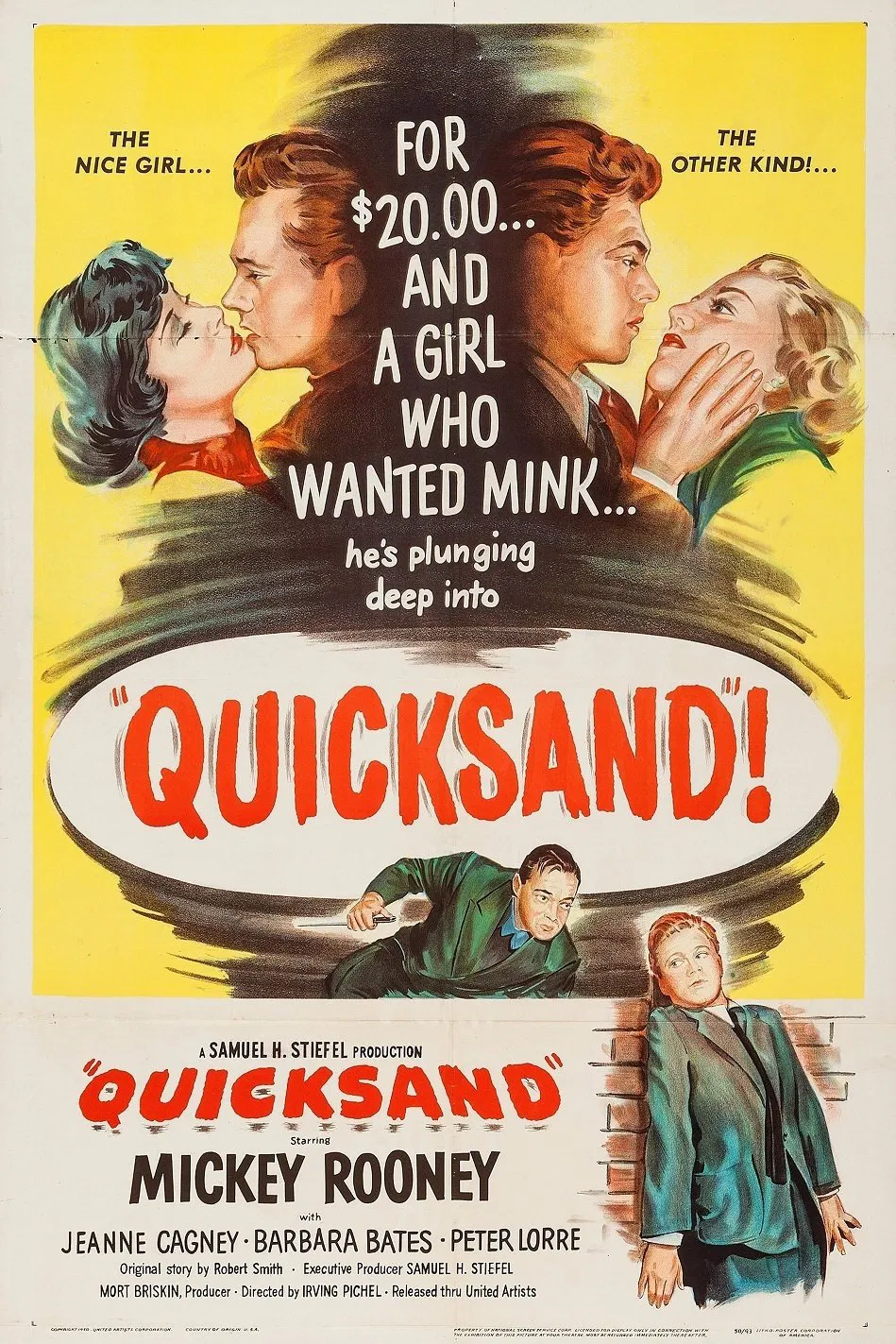
During the silent era, Holmes was a popular star in light comedies and dramas, headlining features such as The Small Town Guy (1917) and Uneasy Money (1918). However, it was in the late 1940s that he experienced a significant career resurgence as one of Hollywood’s most reliable character actors. He became a fixture in the emerging film noir genre, delivering a chillingly memorable performance as the corrupt, high-society lawyer in the classic Kiss of Death (1947). He followed this with a role in the procedural thriller Boomerang (1947) and the crime drama Quicksand (1950), starring alongside Mickey Rooney and Jeanne Cagney.
In the 1950s, Holmes showcased his range by moving between prestige dramas and popular comedies. He appeared as a friend of Spencer Tracy’s character in the beloved family comedy Father of the Bride (1950) and worked steadily in the burgeoning medium of television. His dignified appearance and precise delivery often saw him cast as professional figures—judges, doctors, or attorneys—who could be either paternal or subtly menacing depending on the needs of the script.
His final major contribution to cinema was perhaps his most widely heard, if not seen. Holmes provided the voice for King Stefan, the father of Princess Aurora, in Walt Disney’s animated masterpiece Sleeping Beauty (1959). He passed away in October 1959 at the age of 81, just eight months after the film’s release. He left behind a legacy as a consummate professional who maintained a high level of artistic integrity across five decades of performance, from the gaslit stages of his youth to the Technicolor spectacles of the mid-20th century.