
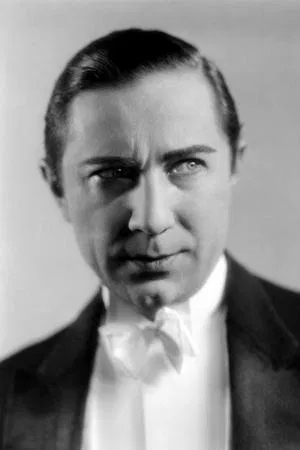
Bela Lugosi (October 20, 1882 – August 16, 1956) remains the definitive face of aristocratic horror, an actor whose hypnotic gaze and melodic Hungarian accent created the blueprint for the modern vampire. Born Béla Ferenc Dezső Blaskó in Lugos, Kingdom of Hungary (now Romania), he began his career as a respected stage actor, even performing with the Hungarian National Theatre. However, his life took a dramatic turn during the political unrest following World War I, leading him to emigrate to the United States. In 1927, he landed the title role in the Broadway production of Dracula, a performance so magnetic that it made him the only logical choice for Universal Pictures’ 1931 film adaptation.
The massive success of Dracula (1931) transformed Lugosi into an overnight sensation, but it also famously typecast him for the remainder of his career. Despite his desire to play diverse, romantic leads, he became synonymous with the macabre. He delivered chilling performances in genre masterpieces such as White Zombie (1932)—often cited as the first feature-length zombie film—and The Black Cat (1934), where he starred alongside his professional rival, Boris Karloff. Throughout the 1930s and 40s, Lugosi brought a unique, tragic dignity to his “monsters,” infusing them with a European sophistication that set him apart from the more physical slapstick or brute-force villains of the era.
In his later years, Lugosi’s career took a more eccentric path as he struggled with health issues and financial instability. During the late 1940s, he leaned into his own legend, famously parodying his vampire persona in Abbott and Costello Meet Frankenstein (1948). This film was significant as it was the only other time, besides the 1931 original, that he officially donned the cape of Count Dracula for a major studio feature. His final years were marked by a professional friendship with the infamous director Ed Wood, leading to appearances in cult classics like Glen or Glenda and the posthumously released Plan 9 from Outer Space, which ensured his legacy would endure in the world of independent and underground cinema.
Lugosi passed away in 1956 and was buried in his full Dracula cape, a final tribute to the character that both defined and confined his professional life. Today, he is remembered not just as a horror icon, but as a dedicated craftsman who brought an operatic intensity to the screen. His influence is visible in every vampire portrayal that followed, from the high-collared silhouettes of the mid-century to the brooding anti-heroes of modern television. He remains the immortal Count, a performer whose shadow continues to loom large over the history of global cinema.
